A key source of philanthropic revenue for US-based institutions has always been international constituents, particularly for higher education organizations with large international student enrollments.
Ongoing changes in immigration practices within the US, as well as in funding sources for academic research institutions, have raised questions among these institutions about the value of investing intentionally in an international fundraising program.
BWF Zuri has partnered with numerous organizations focused on raising funds internationally. We have clients across the globe and are familiar with many of the cultural, regulatory, and compliance issues that come with raising money beyond the borders of an organization’s home country.
BWF Zuri recently completed an international fundraising program assessment and benchmarking project with several US-based research institutions, resulting in valuable insights into international fundraising. This article provides an overview of that research and introduces the topics that we’ll dive deeper into in the coming months.
Research and Primary Questions
According to Giving USA’s 2024 report, there was a global investment of $65B to educational institutions. In 2025, 559 US academic institutions reported receiving $14.6B in philanthropic dollars from donors outside of the US. These gifts came from grateful families, alumni, patients, and friends, as well as from foundations, corporations, and other entities that represent brands, products, and missions around the world.
BWF Zuri has worked with international organizations and constituencies throughout our history, ranging from NGOs that provide international aid and development to conservation organizations to academic medical institutions and universities. Through this work we have gained valuable insight and provided recommendations for international fundraising program efficiencies. In these partnerships, we sought to answer several key questions, including:
- What is the organization’s overall fundraising footprint outside of their home country?
- How does the organization’s ROI compare against peers?
- Are gift officers travelling to and soliciting funds in the right geographic markets?
- What risk factors should the organization consider in evaluating its international fundraising program?
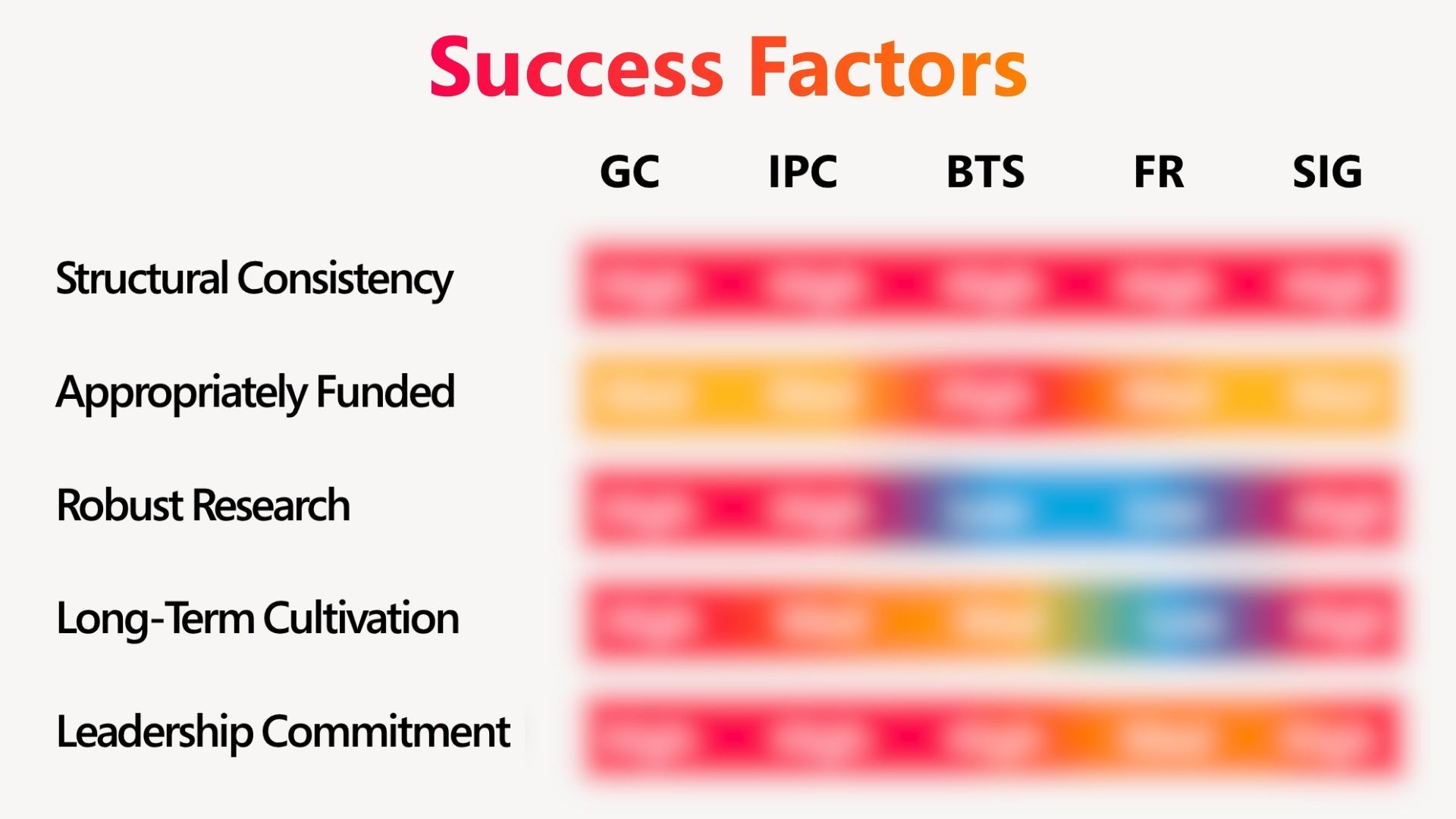
As we sought answers to these questions, we developed a framework to analyze program success and challenges, based on the following five areas:
- Global Constituency Locations: Where are the organization’s key markets in terms of effort and how do they align with the markets in which the organization is raising the most money?
- International Philanthropic Competency: Do fundraisers have sufficient knowledge of fundraising customs and practices in these key markets?
- Budget, Travel, and Staffing: Is the organization adequately resourced to work in these countries and are there additional opportunities to collaborate with internal partners such as colleges, divisions, and programs that work in these countries?
- Financial and Regulatory: What are the regulatory challenges and risks of operating in these markets and is the organization positioned to address them?
- Strategic Importance and Goals: How does the organization’s efforts in these markets align with its overall organizational mission and strategic plan?
Key Takeaways
Organizations that have aligned their strategic planning efforts with answers to the above questions were best situated to raise philanthropic dollars outside of their countries. In particular, our research revealed the following to be true of these organizations:
- Structural Consistency: Many organizations establish similar metrics, goals, and portfolio guidelines for fundraisers with an international portfolio as they do with domestic fundraisers.
- Appropriately Funded: Travel budget is the most significant expense in investing in an international program, although cost sharing among schools, units, and divisions is a popular way to keep down expenses.
- Robust Research: Due diligence research is an increasingly important (and time-consuming) aspect of cultivating international donors.
- Long-Term Cultivation: Establishing rapport with international constituents takes time. Our research revealed an average of 30 months from the first gift to a major gift for international constituents.
- Leadership Commitment: Organizational leadership buy-in is the most important factor in building and growing a successful international fundraising operation.
Conclusion
As institutions navigate shifting geopolitical, regulatory, and economic landscapes, the question is no longer whether international fundraising is worthwhile. The question is how to approach it with intention and discipline. Our research underscores that success in this space is not accidental; it is the result of clear strategy, sustained investment, and organizational alignment. From establishing consistent structures and adequately resourcing programs to prioritizing research, committing to long-term relationship building, and securing leadership support, the most effective organizations treat international fundraising as a core component of their advancement efforts, not a peripheral activity.
Ongoing Series
In the months ahead, we will explore each of these five areas in greater depth, offering practical insights and real-world examples to help institutions assess and strengthen their global fundraising strategies. As the international philanthropic landscape continues to evolve, those who remain thoughtful, informed, and committed will be best positioned to build meaningful partnerships and unlock the full potential of global generosity.
Is your organization positioned to successfully raise money from international constituents? If you would benefit from a deeper dive into any of these areas, contact us. This is an ongoing series—sign up below to receive the full results and the rest of this series in your inbox!