WEBINAR ALERT!
April 23: The Surprising Impact of Life Income Gifts
Client Spotlights: Technology and Operations

University Hospitals
Donor AI
University Hospitals wanted an AI modeling solution to both provide more real-time insight and leverage their recent Epic integration, which provided access to a breadth and depth of HIPAA-compliant data not previously accessible. University Hospitals was able to reduce pipeline friction by 4x with more relevant data in hand to guide strategies.
Minnesota State University, Mankato
Business Intelligence Dashboards
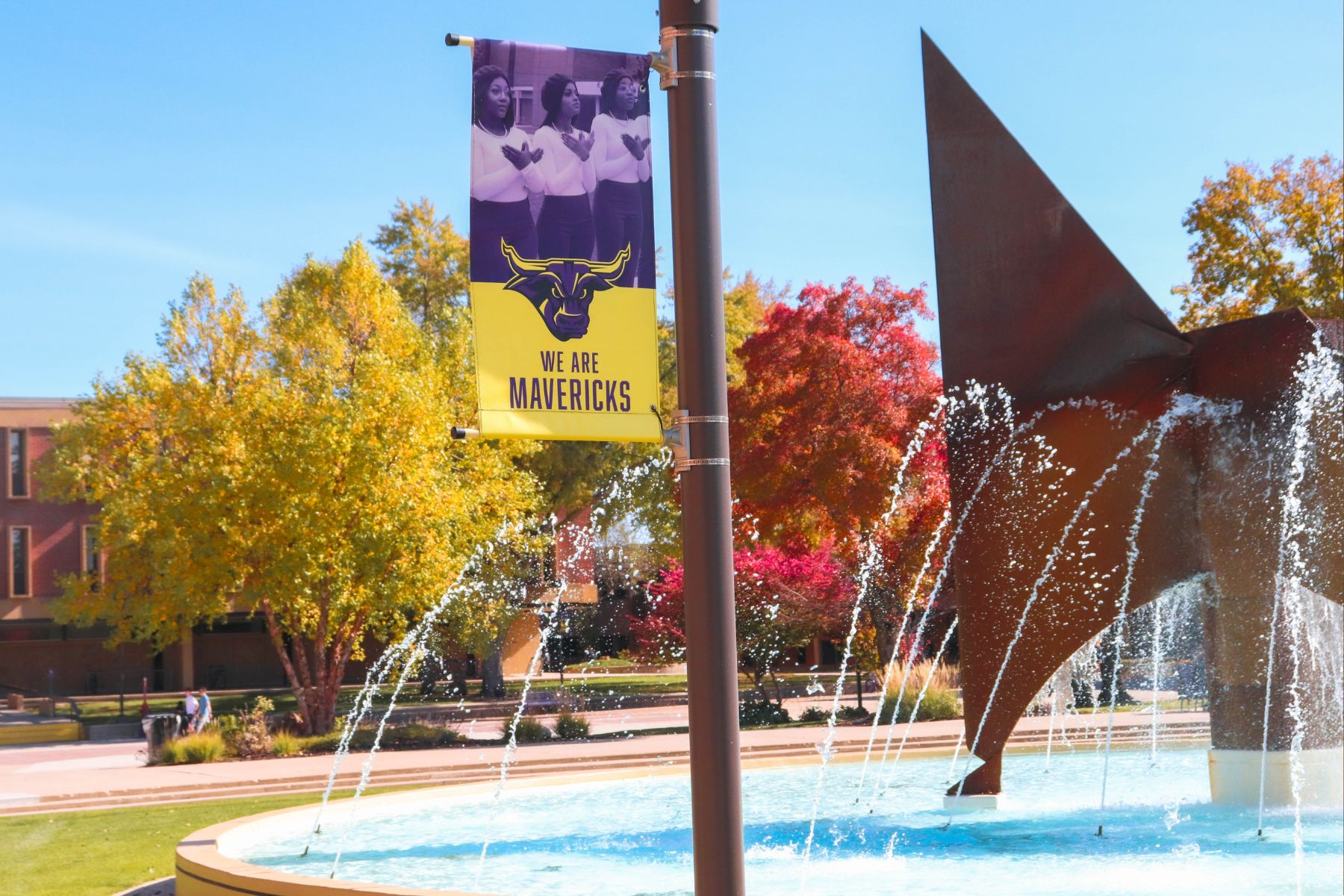
Fundraisers at Minnesota State University, Mankato needed custom reporting for greater insight into managing the fundraising program. Their goal was to automate processes that impeded productivity and more easily expose meaningful insights within the data.

Queens University of Charlotte, Advancement
Slate Technology Assessment
Queens University of Charlotte converted to Slate several years ago. However, a particularly short implementation period coupled with turnover among Slate captains led to the new Advancement instance not being fully leveraged. The team was eager to gain assurance in their system setup on a foundational level, and to then move toward properly maximizing Slate’s functionalities to serve their needs. They sought external counsel in BWF to both assess their system and implement the necessary changes identified in the assessment.

Phoenix Children’s Foundation
Business Intelligence
Phoenix Children’s Foundation wanted to implement a business intelligence platform that would automate report generation and expedite accessing information in near real time. BWF provided a multi-year, progressive technology roadmap and a sustainable business model to advance fundraising through BI and data science.

Furman University
Business Intelligence
Furman University’s development team went in search of ways to streamline and simplify campaign reporting to improve decision making, get faster access to data, and increase efficiency.

Corus International
Business Intelligence
Corus International had been utilizing various manual processes to prepare reports for its fundraising organizations Lutheran World Relief and Corus World Health. They needed a solution that would automate that work and provide one source of truth for data.

Iowa State University Foundation
Gift Processing Assessment
After implementing Salesforce, Iowa State University Foundation wanted a third-party assessment of its structure and skills to inform long-term priorities for streamlining and supporting business processes along with guidelines on kickstarting data governance initiatives.

The Nature Conservancy
Prospect Development and Analytics
With a unique combination of both centralized and decentralized services, The Nature Conservancy was interested in optimizing its resources to develop an integrated plan for harnessing untapped potential across funding streams through more robust pipeline development and analytics and creating a sustainable structure that leverages both central and regional opportunities.

Indiana University Health (IU Health)
Systems Counsel
IU Health wanted to integrate separate foundations/development offices across the system into a single IU Health Foundation. The Foundation team knew that transitioning from a decentralized operating model to a centralized structure would require both critical planning and detailed preparation to realize its long-term strategic goals.