Assumption University Case Study
Learn how BWF Zuri partnered with Assumption University to restore internal trust in CRM data, relaunch Slate for Advancement, and prepare for campaign planning in just five months. Read the case study.

Systems and services solutions to improve fundraising operations or convert CRMs
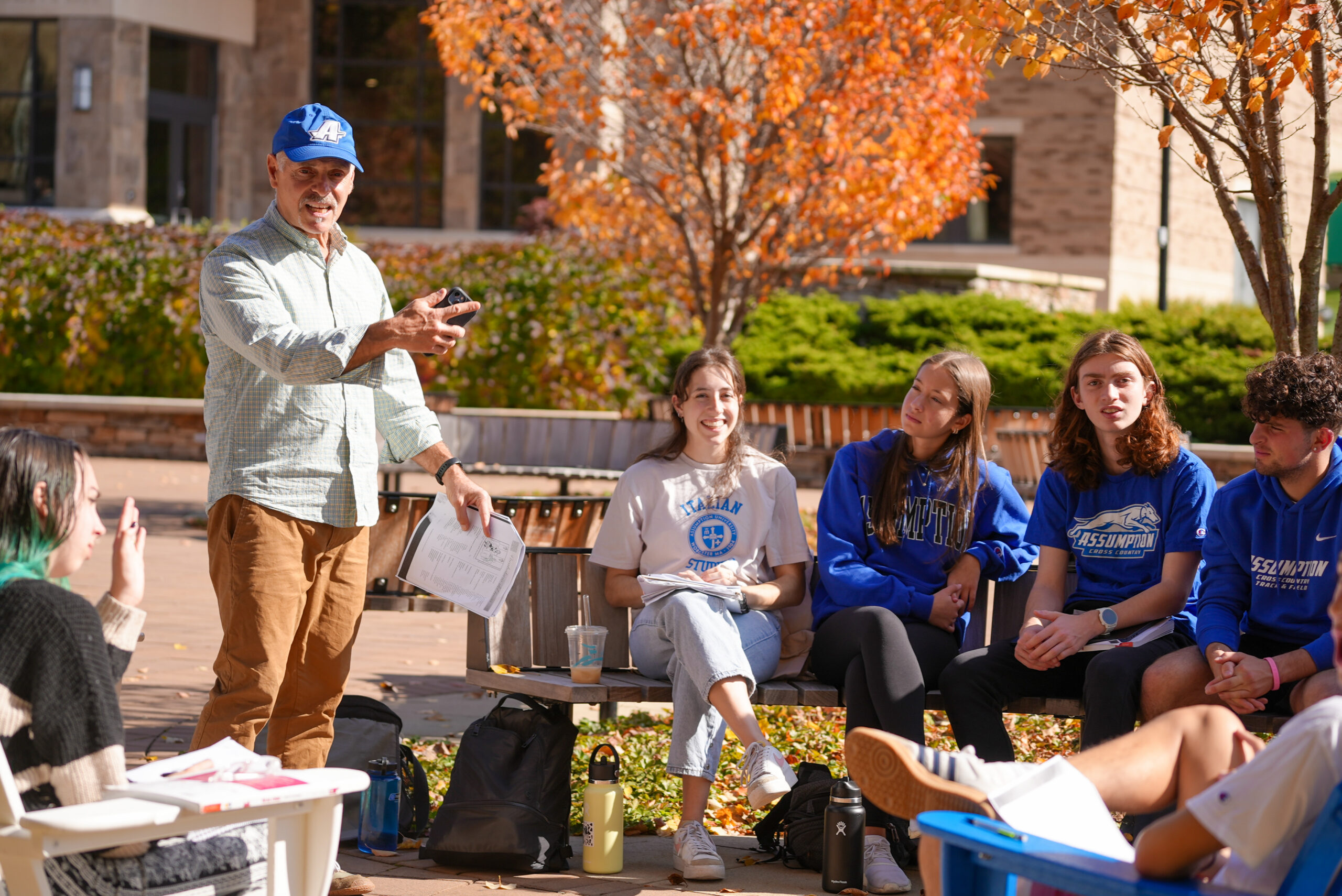
Learn how BWF Zuri partnered with Assumption University to restore internal trust in CRM data, relaunch Slate for Advancement, and prepare for campaign planning in just five months. Read the case study.

BWF Zuri’s Shannon Cooper explores how advancement services are evolving into strategic, AI-enabled operations that strengthen data, insight, innovation, and fundraising.

A CRM migration is more than a technology project; it’s a business transformation that changes how advancement teams manage donor relationships, collaborate, and work every day. While technical execution is essential, poor internal communication is often the biggest reason CRM migrations struggle, leading to resistance, low adoption, and weaker results. BWF Zuri’s Amy Lampi and Jay Wilson share their five communication practices that can help ensure a smoother transition.

Technology ROI is not a feature of the platform. It is an organizational outcome. And most ROI is not created during implementation. It is determined during selection. In this article, BWF Zuri’s Jason Boley walks through the five ROI drivers selection teams should test before adopting a new technology.

We’re seeing the adoption of AI accelerate across the sector, offering relief for these challenges through efficiency and scale. Yet while AI can strengthen operations, it cannot replace human judgment. Successful implementation hinges on a single concept: the human-plus-AI model. In this blog we explore this model and the adoption of AI while maintaining the heart of the personal fundraising touch.

Selecting a new donor management system is one of the most important technology decisions your organization will make. The right eCRM can strengthen donor relationships, streamline operations, improve data quality, and provide the insights needed to drive long-term fundraising success.

Your current CRM might not be sexy. It might feel clunky. But there’s a decent chance it’s more capable than you think. Before you chase the next big thing, you might be surprised at how much power you’ve been sitting on this whole time. This blog takes you through what we’ve learned after years of helping nonprofits dig out of CRM chaos.

Ready to start using AI for fundraising? This guide explores common AI fundraising use cases and strategies to make the most of your innovative solutions.

Modern campaigns require momentum, confidence, and consistency. Conversions introduce change, learning curves, and risk. But the risk is worth it. Learn why CRM conversion during a campaign can boost visibility, improve forecasts, and drive better results.