5 Years of $1M+ Gifts: What Can We Learn?

Principal gifts, high impact gifts from the top 2% of donors that represent 30%–50% of all revenue, continue to be a growth area across the sector and a focus area for nonprofits. These gifts emerge over time, at the intersection of passion, impact, and readiness. But what we are seeing now is something more profound than growth. Seven-plus figure gifts are not just increasing, they are reshaping the structure of philanthropy itself.
We often talk about how to build institutional readiness around vision, alignment, and trust to best navigate principal gift programs and opportunities. Reflecting on our work with clients across the sector to build and grow principal gift capabilities, we decided to step back and conduct a broader analysis of the sector and large gifts.
The question is no longer simply, “What can we learn?” It is, “What kind of philanthropic system is emerging, and how must organizations respond?”
Through our analysis, we identified six key trends and six key takeaways.
Six Key Trends, 2020–2025
BWF Zuri analyzed gifts from The Chronicle of Philanthropy database of charitable gifts of $1 million or more from individuals, covering more than 2,500 gifts across six years of exceptional philanthropic activity. This dataset included $50B+ in gifts and represents 45+ states.
Here are our top six trends:
- Gift sizes reach new ceilings: $1B+ gifts occurred six times in this period, something that we previously thought to be a once-in-a-decade event. Single gifts now routinely exceed entire university endowment campaigns from 20 years ago. Familiar names (Gates, Bezos, Knight, etc.) continue to prioritize philanthropy, raising the bar for other billionaires and philanthropists.
- Bequest giving rises with aging wealth: Bequest gifts grew as a share of total gifts, particularly for smaller colleges. Institutions with endowments of $100M–$500M are disproportionately reliant on bequests for transformational funding.
- Historically Black Colleges and Universities (HBCUs) and equity institutions surge: Howard, Spelman, Morehouse, Morgan State, and more than 20 other HBCUs received transformational gifts. The shift—driven by Scott, Blank, and the Waltons—marks a move from purely meritocratic or loyalty-based criteria to equity-focused criteria.
- Healthcare overtakes arts in priority: The share of mega-gifts ($50M+) going to hospitals, cancer centers, and children’s hospitals grew from roughly 16% in FY20 to 24% in FY25, displacing arts and cultural institutions in donor priority. Based on recent Giving USA data, the arts are still seeing real growth in giving, just not in the large gifts category.
- Challenge and matching gifts proliferate: Challenge gift structures—where a donor matches others’ contributions—appeared in more than 15% of recorded gifts by 2024, reflecting a strategic shift to leverage community fundraising campaigns.
- Athletes and entertainers enter the list: Michael Jordan ($10M to Novant Health), Dolly Parton, Taylor Swift, Patrick Mahomes II, and Shonda Rhimes ($15M to Dartmouth College) represent a new class of principal gift donors.
Dive Into the Data
Key Insights Across the Years

Following the Money: Giving by Sector
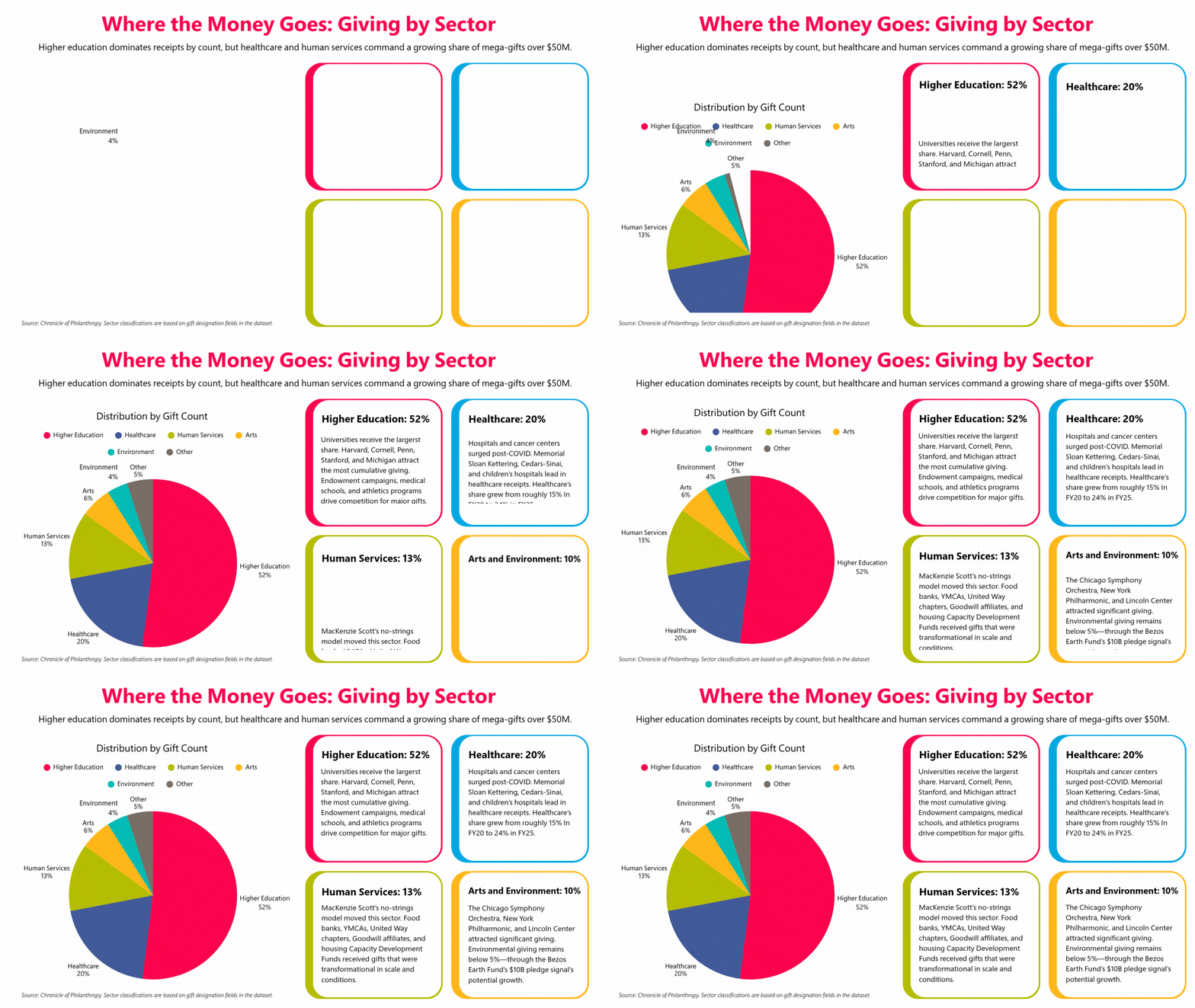
Higher education dominates receipts by count, but healthcare and human services command a growing share of mega-gifts over $50M. This divergence highlights a critical dynamic: participation and dominance are no longer the same. Many institutions receive gifts, but fewer are capturing the largest ones.
Mapping the Money: Geographic Distribution of Gifts

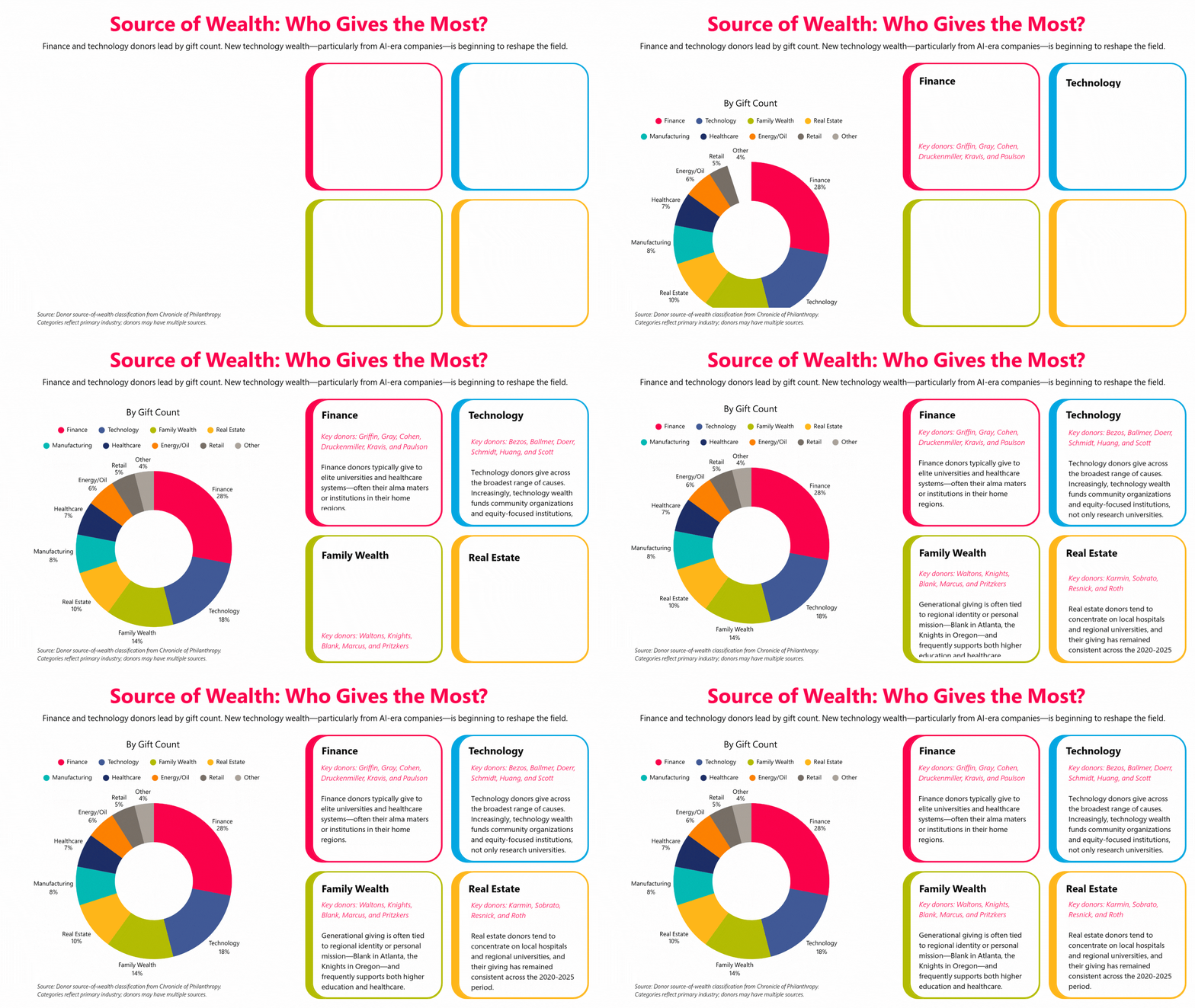
Sourcing the Money: Basis of Wealth
Cross Analysis
We are seeing these trends across several points of research and analysis:
- Giving USA 2024 (Giving USA Foundation) reports that while total giving has grown modestly over time, much of that growth is driven by high-net-worth donors and mega-gifts.
- Indiana University Lilly Family School of Philanthropy (2023–2024 research) finds that ultra-high-net-worth households account for an increasing share of total charitable dollars.
- Lilly Family School of Philanthropy (2020–2023 studies on mega-gifts) finds that gifts of $10M+ have increased both in number and total value over time, particularly to education and health institutions.
- CASE Voluntary Support of Education (2023) shows that institutions report a growing share of total dollars coming from the largest gifts, especially during campaigns.
Six Key Takeaways
1. The great wealth transfer is underway.
An estimated $84T in assets will transfer from baby boomers to millennials by 2045 (Cerulli Associates, 2023). A large share is projected to flow into philanthropy, significantly reshaping donor demographics. Institutions also need to consider the transfers and sales of baby boomer businesses. Baby boomers own a substantial share of privately held businesses, many of which are expected to change hands in the next decade due to retirement. It is important that nonprofits consider all elements of the wealth transfer and how that may open new doors to philanthropic capital.
2. AI wealth fuels new donors.
Nvidia, OpenAI, and AI-adjacent companies represent an emerging wave. Jen Hsun Huang’s early gifts of $50M+ hint at what systematic AI-era philanthropy may look like at scale. The traditional sources of wealth and focus of giving are shifting with the new AI landscape.
3. Donor-advised funds (DAFs) are under pressure.
Regulatory proposals to require faster payouts from donor-advised funds could accelerate actual distributions. DAF assets now exceed $230B (National Philanthropic Trust, 2023).
4. Climate giving is accelerating.
The Bezos Earth Fund’s $10B pledge set a precedence. Climate, biodiversity, and clean energy causes are expected to grow sharply from their current roughly 4% share of principal gifts.
5. Endowment scrutiny grows.
As top university endowments approach $50B+, donors increasingly ask whether gifts to wealthy institutions advance equity goals—redirecting some dollar flows to HBCUs and community colleges.
6. Collaborative philanthropy rises.
Co-funding, challenge structures, and giving circles are growing in prevalence. The McPherson anonymous model may represent a precursor to more structured, anonymized collaborative giving vehicles.
What Leading Organizations are Doing Differently
Across these trends and takeaways, organizations winning principal gifts share common characteristics:
- They design for scale. They build opportunities that can absorb $25M–$100M+ gifts. Rather than simply packaging existing priorities, they develop a portfolio of strategic and “moonshot” initiatives. These are ambitious, institution-changing ideas that require transformational philanthropy to become reality.
- They align internally. Leadership, board, and fundraising operate with shared clarity. Institutions shift from individual prospect management to enterprise-level partnership (president, deans, advancement leadership). There are clear roles defined across the work, including the visionary, the connector, the convener, the subject matter expert, the solicitor, and the steward. These relationships require deeper strategy, more detailed plans, more personal connection, and more frequent contact.
- They invest in discovery. Prospect development is treated as a strategic function, not a support role. Sophisticated prospect development functions to identify and engage the small set of “the right” donors. Gifts at this level warrant focused attention and allocation of resources and may be considered “campaigns of one.”
- They create meaning for donors. Donors are positioned as problem-solvers, not just funders. The donors seek collaboration with leadership, not just naming rights or recognition. Transformational donors are looking for a collaborative, donor-centered investment.
See this in action!
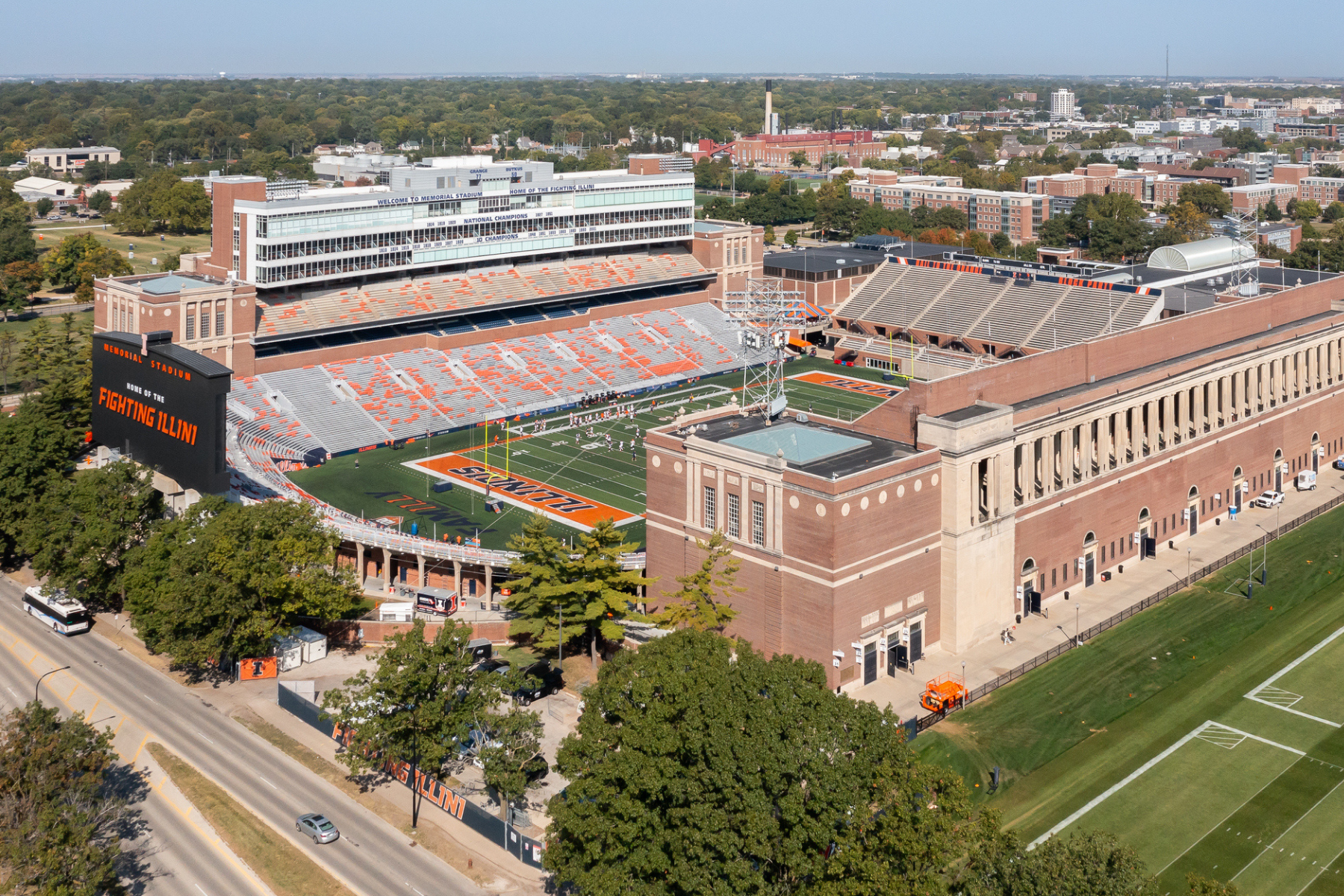
Discover how the University of Illinois turned trust, transparency, and cross-campus alignment into a transformational nine-figure gift. Read their story.